![[2026 Update] Head to Minamiboso in Winter! A Day Trip Driving Plan to Enjoy Spectacular Views, Strawberries, and All-You-Can-Eat Seafood](https://imagedelivery.net/0Xfr734EZhL-f9btSNh4FQ/uploads/article/01KEXH672R9D8EBMSS85QFC7AS.jpg/public)




When speaking of the New Year in Japan, many people will think of the "three days" that begin on January 1st. This period is called "Oshogatsu" in Japan.
Also check out "Osechi, Mochi, and Toshikoshi Soba! A Complete Guide to Japanese Gourmet New Year's for Foreign Visitors"
https://tenposstar.com/articles/r/3881
However, did you know that there is another important New Year's holiday that occurs around January 15th after that? This is Kosho-gatsu, which we will introduce to you today.
While O-Shogatsu is primarily a day to welcome the gods (Toshigami-sama) and spend time quietly with family, Ko-Shogatsu is centered around lively events where people exercise, light fires, and pray for good health and a bountiful harvest for the year.
In this article, we will take a closer look at the traditions of Little New Year, which bring warmth to Japan's cold winter, and the appeal of the heartfelt wishes of the people of old that are embodied in the impressive "Fire Festival" and "Dondoyaki" festivals. Come experience the deep history of Japan and the warmth of its people.
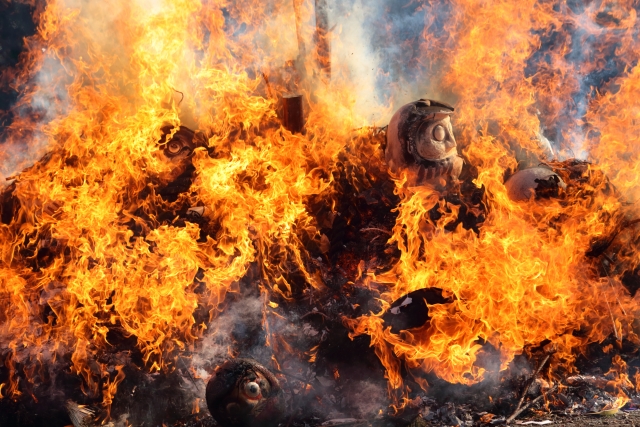
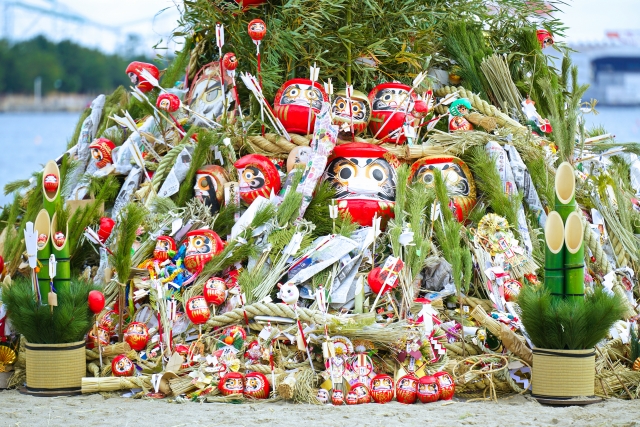
Of the events held during the Little New Year, the most famous and visually dynamic is the "Dondo Yaki." It is called by different names depending on the region, such as "Sagicho" or "Tondo," but the content is almost the same.
What is Dondoyaki?: Wishes entrusted to the fire
Dondoyaki is a large-scale fire festival in which New Year decorations (kadomatsu, shimekazari, calligraphy, etc.) are gathered in one place and burned.
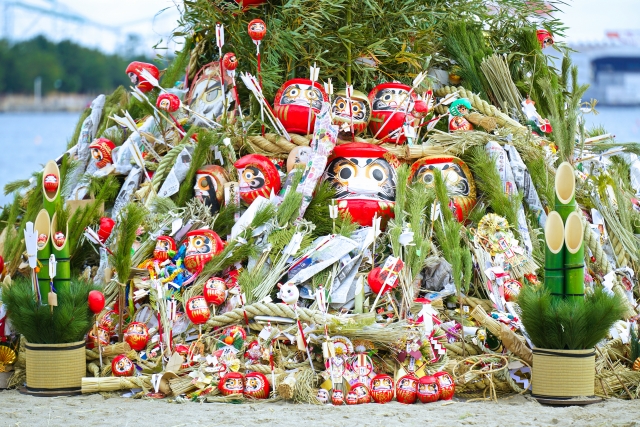
Why do people burn important New Year's decorations?
This is because it is believed that the "Toshigamisama" (God of the New Year), who visits homes during the New Year, resides in these decorations and stays there. The fires of the Dondoyaki are the vehicle that the Toshigamisama rides on to return to heaven once again.
This fire is not just any fire. It is a "pure flame" that is embodied in people's wishes for good health and freedom from illness throughout the year, and for a bountiful harvest of crops such as rice and wheat.
Grilled and eaten over a flame: the tradition of dango
In addition to gathering around the fire, Dondoyaki events also include a traditional activity that all participants can enjoy: roasting and eating dumplings and rice cakes using the embers (ashes or charcoal) that remain after the fire has died down.
The act of eating these dumplings is imbued with the following wishes:
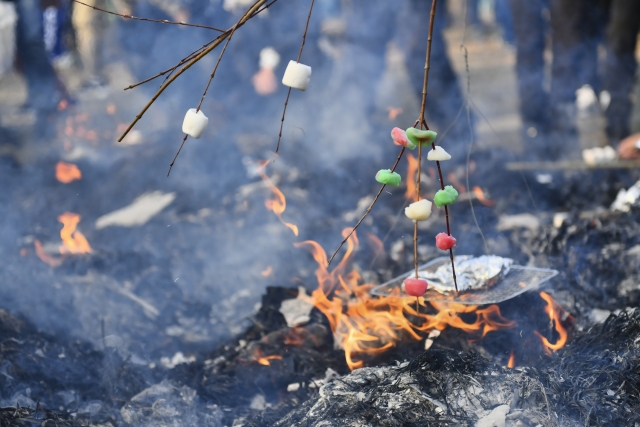
A wish for good health: It is believed that eating these dumplings will keep you healthy and free from illness throughout the year.
Improvement in handwriting: It is said that eating dumplings roasted in the smoke of burning kakizome (first calligraphy writing of the new year) will improve your handwriting.
Cold prevention: It is believed that if you roast the dumplings against the wind (upwind) and are exposed to the smoke, you can prevent colds for the rest of the year.
The experience of eating freshly baked dumplings together while feeling the heat of the flames will be a wonderful memory of winter in Japan.
In addition to the Dondo-yaki festival, many other interesting events are held during Ko-shogatsu, such as foretelling the upcoming agricultural work and predicting a good harvest for the year.
Mochibana: A symbol of abundance
Around the time of Little New Year, "mochibana" is a common sight, especially in rural areas.
This involves decorating trees (especially willow branches) with small red and white rice cakes and dumplings to resemble blooming flowers. By decorating these rice cakes at a time when it is still snowing and real flowers have not yet bloomed, people pray for a bountiful harvest of grains and fruit. It is as if the appearance of rice paddies and fields in full bloom has been recreated indoors.
Once the Little New Year is over, the decorated mochi flowers are eaten or offered at the kamidana (family home), which is believed to bring prosperity into the body for the coming year.
Kayudama or Kayura: Fortune telling the future
In some regions, rituals called "Kayudama" and "Kayuura" are held during the Little New Year.
This involves adding a bamboo tube to the rice porridge (rice cooked with a lot of water) when cooking it, and depending on how much porridge fits into the bamboo tube, it is used to predict the quality of the crops and weather for that year.
Although there is no scientific basis for this practice, in the days when people's lives depended on the harvest of crops, this type of divination was a very important ritual for setting hopes and preparing oneself for the year.
At the heart of all the events held during Ko-shogatsu is people's simple and earnest wish for the health of their families and communities, and hope for the future.
A day to strengthen community ties
While New Year's Day is celebrated quietly by family members, events such as the Dondo-yaki festival are prepared and carried out by the entire community.
The construction of the huge tower and the lighting of the fire require the efforts of many people. Local people of all ages and genders work together, gather around the same fire, and eat the same dumplings, reaffirming and strengthening their bonds as a community.
Even in modern Japanese society, this is a valuable opportunity to preserve local traditions and promote interaction across generations.
Feel the old-fashioned "passage of time"
In the past, Japan used the old lunar calendar, and January 15th on the lunar calendar was the first full moon of the year**.
By celebrating Ko-shogatsu on this full moon day, people felt the start of a new year in sync with the great rhythm of nature, namely the waxing and waning of the moon. The full moon shining in the night sky and the flames of the Dondoyaki bonfires burning on the ground must have been important lights that taught people about the blessings of nature and the passage of time.
A message for us today
The Little New Year event is not just an old custom.
Gratitude to nature: By using fire, decorating crops, and divining the harvest, we can rediscover our awe and gratitude for the power of nature.
Passing on traditions: Local children gather around the fire and hear the meaning of the event from adults, passing on Japan's important traditions to the next generation.
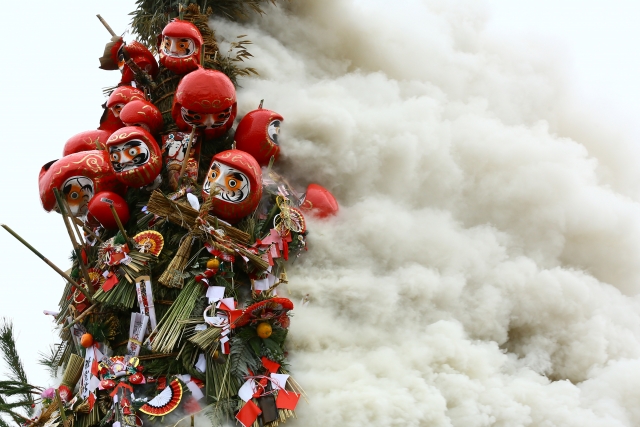
Here are some tips for foreign tourists who want to experience the Little New Year's festivities.
The day the event is held
Ko-Shogatsu used to be held on January 15th of the lunar calendar, but now in many regions it is held on January 15th of the solar calendar, or on a weekend in January. When traveling, be sure to check the event information for the area you plan to visit in advance.
Particularly famous events
Donto Festival in Sendai, Miyagi Prefecture: Known for its particularly large-scale dondoyaki, it is crowded with many worshippers.
Nagano Prefecture's Dosojin Festival: Traditional rituals center around a huge fire festival.
Shrines and municipal parks all over Japan: Even near large cities, Dondoyaki is sometimes held in relatively large parks and within the grounds of shrines.
Important points to note when participating
Cold weather precautions: January is the coldest month of the year. Although the fire will provide some heat, it can get particularly chilly at night, so be sure to take precautions such as wearing a thick coat or scarf.
Safety: The fires at Dondoyaki can be very large. If you go near the fire, avoid wearing flammable clothing, be sure to follow the instructions of the organizers and security, and watch from a safe location.
Ko-shogatsu and the accompanying fire festivals and bonfires are the embodiment of people's simple yet powerful wishes that have been nurtured throughout Japan's long history.
New Year's decorations are transformed into flames, and the smoke is used to send off the New Year deity. The fire is then used to roast rice dumplings, and prayers are made for good health. These events are not merely customs, but symbolize hope for the future and the bonds of the community.
If you have the opportunity to visit Japan during this time, be sure to experience the excitement of the fire festival and the smiles of the people roasting the dumplings. You'll be sure to feel the warmth of the light that shines in the silence of Japan's winter.
Also check out " [2026 Latest] Head to Minami Boso in Winter! A Day Trip Driving Plan to Enjoy Spectacular Views, Strawberries, and All-You-Can-Eat Seafood"
https://tenposstar.com/articles/r/3889